
Here’s What You Need to Know
You’ve booked the flights. Your suitcase is half-packed. You’re already imagining yourself soaking up the sun, exploring new places, or reconnecting at your retreat. Then, in a moment of panic, it hits you:
“When does my passport expire?”
If it’s within the next few months, you might think you’re fine—especially if your trip is just a week or two long. But here’s the problem: many countries enforce a “6-month passport validity rule,” and it could derail your travel plans before you even leave the ground.
Why the 6-Month Passport Validity Rule Matters
The 6-month passport validity rule, also known as the six-month rule, is a regulation exhibition implemented by many countries to ensure that travelers’s passport is sufficient enough when entering their territory. Its general validity is beyond the period of their intended stay in particular countries. It’s not just red tape, but it’s enforced by immigration departments around the world to protect against unexpected overstays, emergencies, or delays.
This rule helps ensure you don’t find yourself stranded or in violation of local visa laws.
For example:
- Airlines can deny you boarding if your passport doesn’t meet the entry requirements for your destination.
- Immigration officials can refuse entry, even if your trip is short and your ticket is roundtrip.
- Travel medical insurance may not cover you if you’re denied entry due to an invalid passport.
- Some visas won’t be issued if your passport is set to expire too soon.

Countries known for strictly enforcing this rule include:
- China – 6 months required for both visa applications and visa-free transit.
- Thailand – 6 months minimum for most travelers.
- UAE (Dubai, Abu Dhabi) – Enforced for all types of tourist entries.
- Singapore – No exceptions, regardless of visa type.
What to Do Right Now If Your Passport is Expiring
If your passport expires in the next 6–12 months, it’s time to act.
First, review your upcoming travel plans. Even if your trip is still months away, begin the renewal process now. Don’t wait—passport offices often face backlogs, and appointments can book out weeks in advance.
Next, check visa requirements for your destination. Some countries require not only valid passports but also longer validity periods for visa issuance. Visa policies also vary widely depending on your nationality, so check what applies to your passport, not just your destination.
Then, decide whether you’ll go with standard or expedited renewal:
- Standard processing can take 8–11 weeks (or longer in high-demand seasons).
- Expedited services take about 5–7 weeks, and cost an additional $60 in the U.S.
If you’re leaving within 2 weeks, you’ll need an in-person appointment at a passport agency with proof of travel.
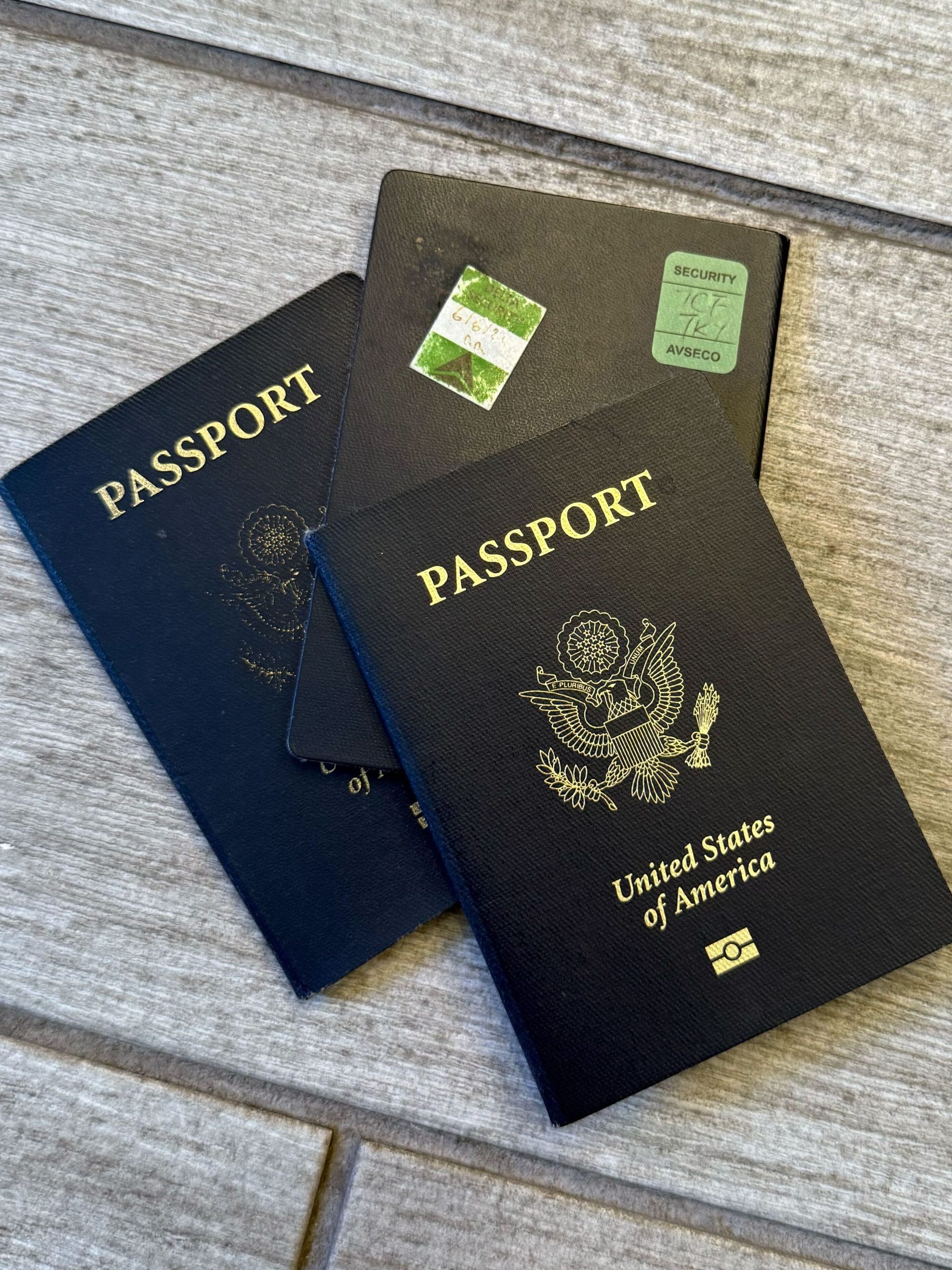
How to Renew Your Passport (U.S. Edition)
By Mail (DS-82)
If your current passport was issued when you were over 16, and it’s not damaged or expired more than 5 years ago, you may qualify to renew by mail using Form DS-82. You’ll need to:
- Complete the DS-82 form online or print a filled PDF.
- Submit your most recent passport.
- Include a passport photo that meets official requirements.
- Pay the renewal fee.
- Send via USPS Priority Mail or a reliable courier with tracking.
In Person (DS-11)
If this is your first passport, your last one was issued more than 15 years ago, or your passport is damaged/lost, you’ll need to apply in person using Form DS-11.
Don’t forget:
Bring your original documents (ID, proof of citizenship).
Submit a proper photo—no filters, hats, or glasses. Plain white background only.
Pay in full by check or money order (fees vary based on speed and delivery).
Need it faster?
Consider visiting a passport agency if your trip is within 14 days.
Pay for expedited processing.
Use overnight shipping both ways.
What If You’re Traveling Soon?
If your flight is just around the corner and your passport isn’t valid long enough, there’s still hope.
The U.S. Department of State offers emergency passport services at designated passport agencies. You’ll need:
- Proof of imminent travel (within 14 calendar days).
- Your soon-to-expire passport.
- Valid ID (like a driver’s license).
- A compliant passport photo.
You can also call the National Passport Information Center or visit travel.state.gov for the latest updates, required forms, and booking details.
How to Avoid Future Passport Panic
Once you renew, don’t fall into the same trap next time. Here are a few habits to help:
- Set a calendar reminder 12 months before your passport expires.
- Renew it 9–12 months before the expiration date.
- Always double-check your passport before booking international travel.
- Keep a scanned or digital copy in a secure location (e.g. cloud storage).

Final Thoughts: If You’re Unsure, Just Renew
If your passport is expiring soon, even if you’re not planning an international trip right away, renew it now. Travel can be spontaneous, and opportunities can come up unexpectedly. Having a valid passport means you’re always ready, whether it’s for a last-minute retreat, a family emergency, or that dream vacation you didn’t see coming.
Helpful U.S. Links:
- Check processing times
- Download renewal forms
- Find acceptance facilities
- Track your application status
Download a FREE Passport & Visa Requirements Checklist
Coming for a retreat in Cambodia? We recommend our peaceful private apartments.
Check out an upcoming Retreat
FAQs Section
Can I still travel domestically if my passport is about to expire?
Yes. For domestic travel within the U.S., a driver’s license or REAL ID-compliant ID is sufficient. You don’t need your passport unless you’re flying internationally.
What if I’m not leaving the country—do I need to worry about my passport?
Not immediately, but it’s wise to renew early anyway. Many international opportunities come with short notice, and a valid passport opens the door.







0 Comments